
COMPLEX FLAT MORTGAGES
Two flats in the same postcode can produce completely different mortgage decisions.
Lease. Building height. Commercial premises below. Title structure. Construction. Access. Ground rent provisions. The word “flat” tells a lender very little on its own.

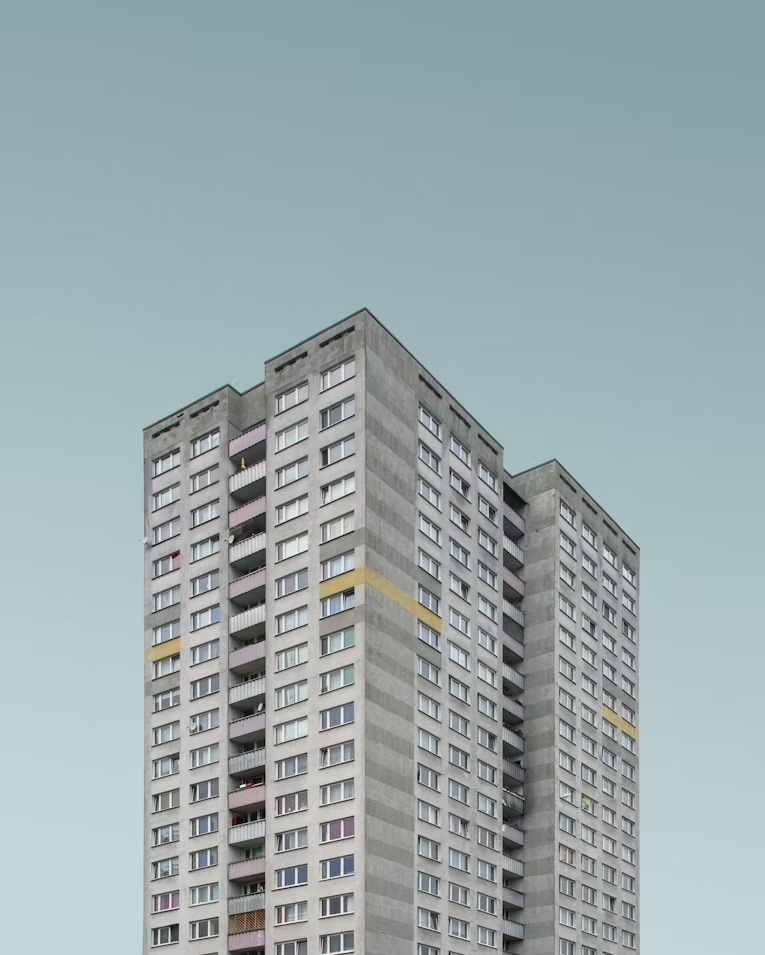
Potential issues can include: • short or unusual lease • commercial premises below • high-rise building • unusual construction • unusual access • several units under one title • freeholder issues • complex title • restrictive lease terms • non-standard layout • building safety requirements • property above or beside particular commercial uses Not every lender treats these issues in the same way.
Lenders may consider the nature of the commercial use below or nearby.
A quiet office and a late-night food business do not necessarily present the same property risk.
The valuer may consider:
• noise
• smell
• opening hours
• marketability
• access
• resale demand
This can influence which lenders are worth considering.
Lease.
The lender may review: • remaining lease term • ground rent provisions • service charges • restrictions • rights of access • repairing obligations • ability to let • unusual clauses The solicitor's review of the lease remains important because mortgage acceptability and legal suitability are related but not identical questions.

Some buildings require more specialist lender consideration because of: • height • construction type • cladding or external wall issues • converted building structure • unusual materials • large developments • mixed commercial and residential occupation For cladding or external-wall concerns, establish what assessment has already been completed, whether remediation is required and what evidence the proposed lender will accept. An EWS1 form is not required for every flat. Where works are outstanding, the remediation arrangements and any costs falling on the leaseholder also need review. Choosing another lender may not resolve the underlying issue.
One Title, Several Units.
A property described informally as “a flat” may actually sit within a more complex title structure. If several self-contained units are held under one freehold title, the case may belong in MUFB finance rather than conventional flat lending. Correct classification matters.
We want to know:
• which lender declined
• why
• whether the valuer raised the issue
• whether the solicitor raised it
• what documents exist
• whether the issue can be resolved
Applying to another lender without understanding the first decline can simply repeat the same problem.
For complex flats, we may ask for: • lease • property listing • floor plan • valuation comments • building information • commercial use below • title information • previous lender feedback Then we decide which part of the market actually fits.
Something unusual about the flat?
Tell us what it is before we talk products.